
Perspectives
Perspectives organizes essays across five areas of inquiry. Each track offers disciplined analysis and structured thinking on contemporary power, technology, institutions, economic transformation, reflections and resilience.
Power & Political Order
Examines institutions, authority, legitimacy, and the structural dynamics of governance during periods of transformation and crisis.
Technology & Institutional Futures
Explores how artificial intelligence, digital infrastructures, and technological systems reshape institutions, decision-making, and political authority.
Economic Futures
Analyzes development models, market power, financial systems, and economic transformation in fragile and emerging contexts.
Political Imagination
Reflects on the narratives, concepts, and intellectual frameworks through which societies interpret order, crisis, and possibility.
Fragility & Resilience
Investigates governance under pressure – institutional breakdown, reform, adaptation, and the long-term conditions of stability.
Reflections & Reviews
Critical engagement with books, essays, events, and cultural works that shape contemporary debates on power, technology, governance, and political imagination.
All Perspective Essays
-
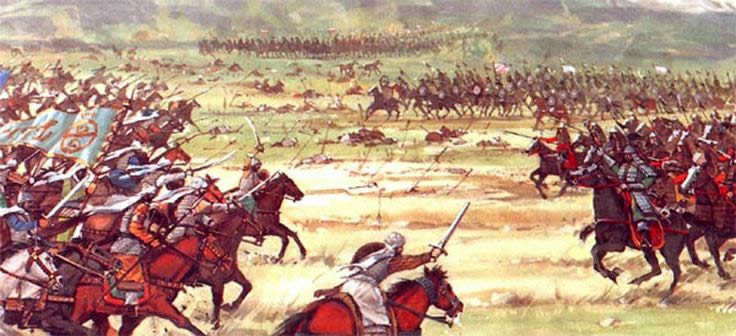
Re-emergence of imperial memory between Turkey and Iran
The present insists on its own novelty. It frames its crises as self contained, detached from deeper continuities. A potential war involving the United States, Israel, and Iran is often interpreted in this way, reduced to questions of deterrence, nuclear capability, and shifting alliances. Such a reading is not incorrect, but it is incomplete. It
-

Al-Farabi’s Virtuous City and Radical Political Thought
For anyone interested in politics and philosophy, there must be an understanding that we do not study these fields only to learn from them, but also to teach others how to think about power. The purpose is not to accumulate passive knowledge, but to raise awareness around virtues and vices of life. When we speak
-
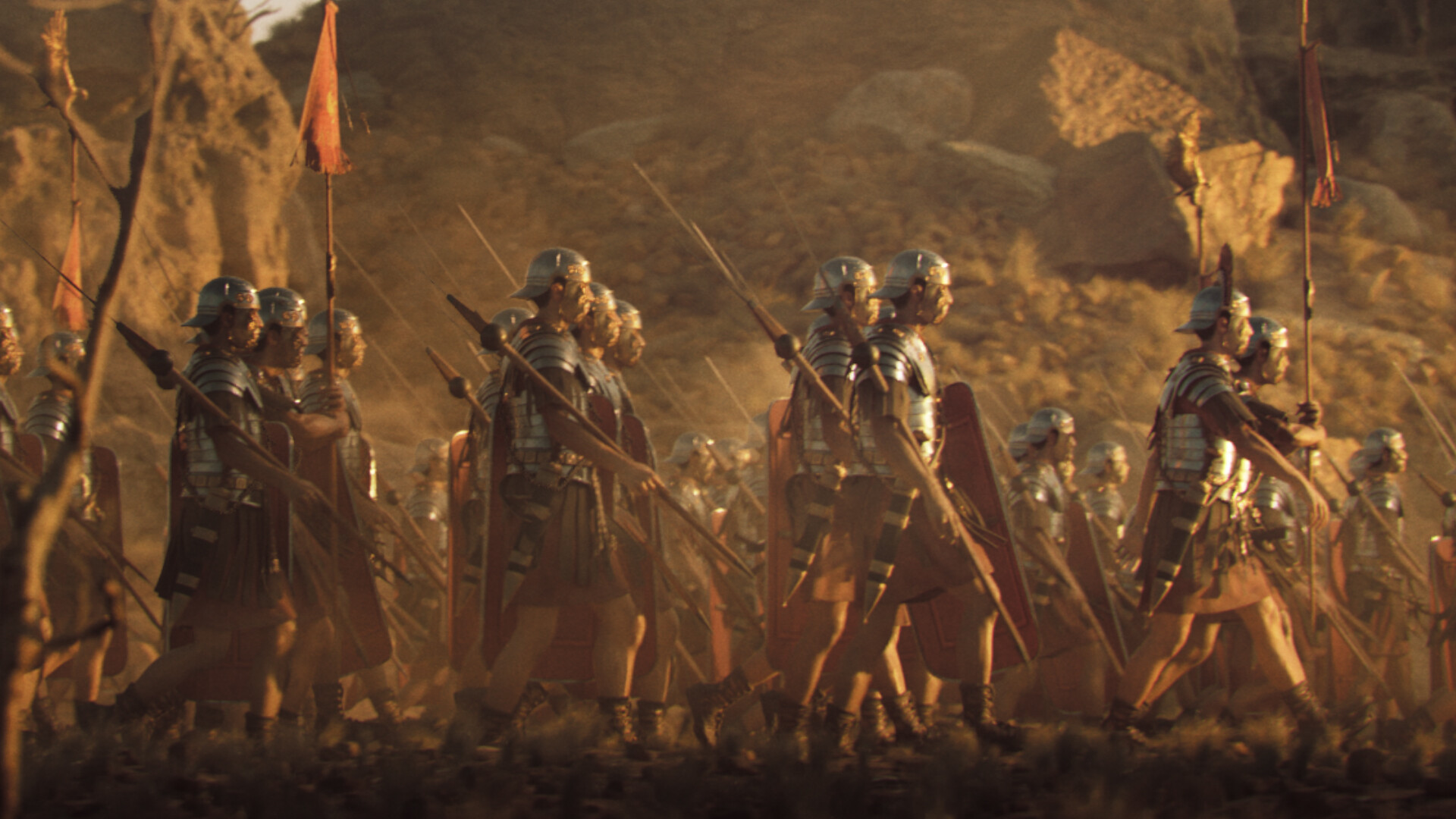
Invasion: Between Fear and Ambition
Invasion rarely begins as ambition, and it is almost never admitted as fear. It is instead framed as necessity that more or less has everything to do with power and nothing to do with logic. States do not describe their actions as expansion, for instance. They describe them as prevention, stabilization, or response to pressure