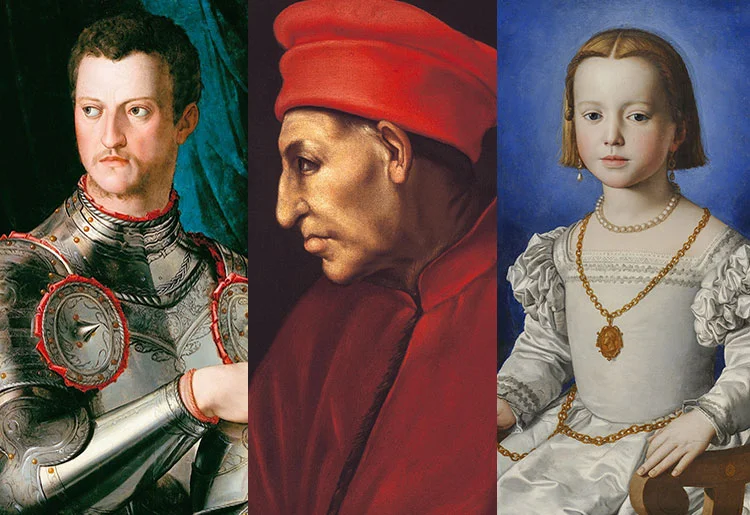
Reputation, Networks, and Soft Authority
Reflections on Medici Money by Tim Parks
What I learned from Medici Money is that wealth alone does not create rule. Coordination does. Legitimacy does. Cultural embedding does. The Medici mastered the interplay between finance, reputation, art, and religion. They understood that to be seen as princely, one must first become necessary.
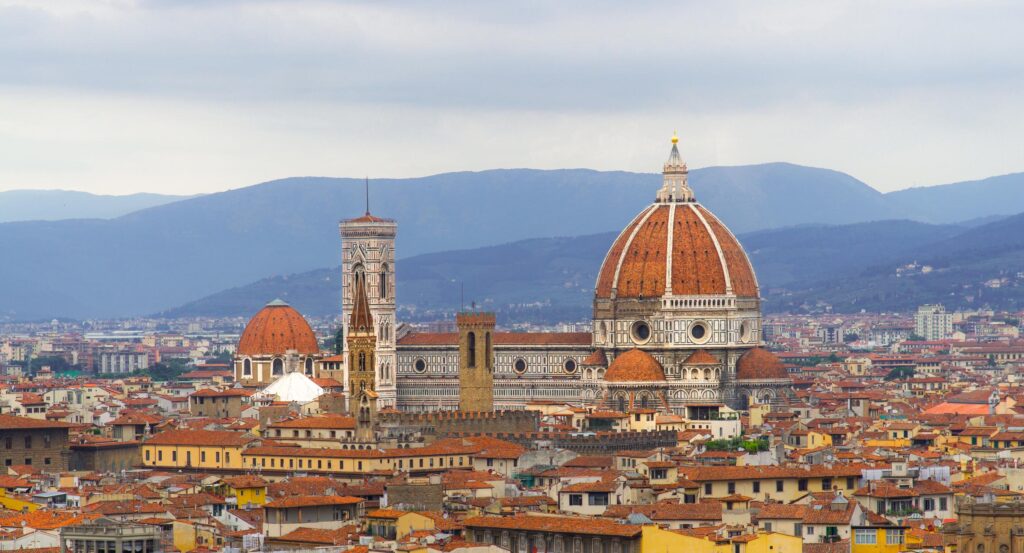
In fourteenth century Florence, the Medici were not born princes. They were merchants. In a world dominated by old noble families and proud Italian city states competing for influence, the merchant class occupied an ambiguous position. Wealthy, yes. Powerful, increasingly. But not yet recognized as legitimate rulers. What Medici Money reveals is how the Medici transformed that ambiguity into authority. They became masters of Florence not through conquest, but through reputation, networks, and a form of soft rule that resembled princely power long before it was formally declared.
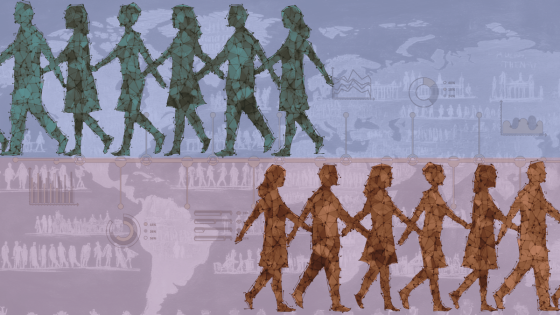
The Italian city states of the period were politically volatile and economically dynamic. Florence, Venice, Milan, and others balanced trade, warfare, diplomacy, and internal factionalism. In this environment, banking was not merely commerce. It was infrastructure. The Medici bank extended across Europe, financing monarchs, merchants, and most significantly, the papacy. Through disciplined bookkeeping and careful branch management, the family created a coordinated financial network that allowed information, credit, and trust to circulate across borders.
The Medici understood that growth without oversight erodes trust. Their internal discipline produced external credibility.
What stands out in Tim Parks’ account is not extravagance but structure. Double entry bookkeeping was not simply an accounting innovation. It was a mechanism of control and transparency that allowed expansion without chaos. The Medici understood that growth without oversight erodes trust. Their internal discipline produced external credibility. Reputation became their most valuable asset, more durable than coin.
Yet financial competence alone does not explain their rise. The Medici were acutely aware of status. As members of the merchant class, they longed to be recognized among the established noble families who claimed ancestral prestige. Wealth opened doors, but recognition required performance. Over time, their authority began to resemble that of a prince. They influenced appointments, guided policy, and shaped civic direction while maintaining the appearance of republican balance. Power was exercised indirectly, through alliances and strategic positioning rather than formal titles.
Grand palaces rose not only as residences but as statements. Architecture became argument. Art became evidence of refinement and divine favor.
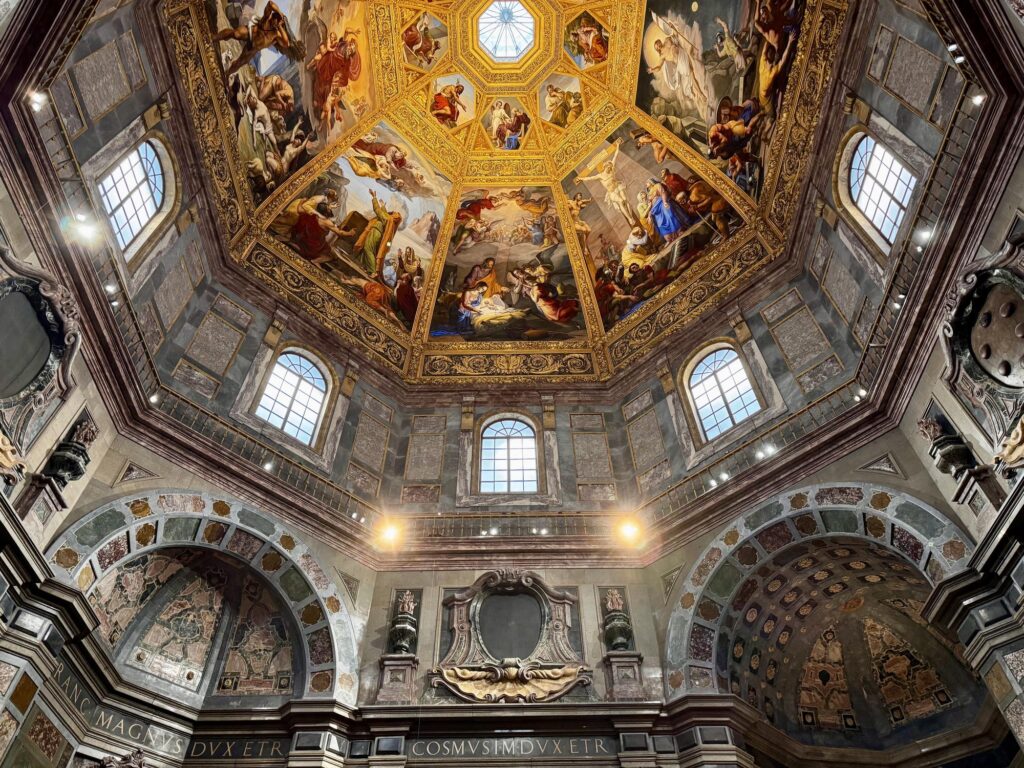
Their networks extended beyond banking into culture and religion. Patronage of art was not an aesthetic hobby. It was political language. By financing artists, churches, and public works, the Medici embedded themselves in the visual and spiritual identity of Florence. Grand palaces rose not only as residences but as statements. Architecture became argument. Art became evidence of refinement and divine favor. Religious patronage reinforced the image of moral legitimacy. Reputation was carefully cultivated through marble, fresco, and liturgy.
What emerges from this history is a clear pattern. Authority is most stable when it appears natural. The Medici did not initially seize Florence through visible domination. They positioned themselves at the center of economic necessity and cultural prestige. Their bank connected the Italian city states to broader European finance. Their patronage connected their name to beauty, piety, and civic pride. Their influence grew because it seemed indispensable.
This is what I understand now as soft authority. It does not command openly. It organizes dependence. It aligns interests. It becomes woven into the daily functioning of society until separating power from institution becomes nearly impossible.
The same networks that elevated the Medici exposed them to risk.
At the same time, the book does not romanticize their success. The same networks that elevated the Medici exposed them to risk. Political instability, overextension, and internal mismanagement gradually strained the system. Reputation requires constant maintenance. Once discipline weakens, trust erodes. Soft authority collapses not through dramatic revolt but through quiet loss of confidence.
Reading this, I found myself thinking less about Renaissance Florence and more about how power operates in any era. Financial systems, technological infrastructures, and cultural institutions often shape governance long before political change becomes explicit. Authority accumulates in structures that appear technical or artistic rather than overtly political. By the time leadership is recognized, the architecture has already been built.
What I learned from Medici Money is that wealth alone does not create rule. Coordination does. Legitimacy does. Cultural embedding does. The Medici mastered the interplay between finance, reputation, art, and religion. They understood that to be seen as princely, one must first become necessary.
Reputation builds networks. Networks sustain influence. Influence matures into authority. In Florence, this sequence reshaped a republic. It remains a lesson in how systems quietly govern long before governance announces itself.