The Case Against War
There are men who say that war is a necessity, as though necessity were a law of nature and not a confession of failure. They speak of defense and honor and survival, and in their speech there is the comfort of order, as if by naming a thing just they have already made it so. Yet one must ask what is being preserved when war is chosen, and what is quietly surrendered.
Some reject war as a violation that cannot be justified, others accept it as a tragic necessity, and still others see in it a condition that cannot be escaped.
If there is such a thing as a right belonging to man, it must belong to him not as a citizen of one city and not as an enemy of another, but as a human being who stands before all laws. This right is not granted by rulers, nor earned by conduct. It rests in the simple fact of being. To deny it is not to correct an error, but to wound something fundamental that cannot be restored by decree. War begins by dividing what cannot be divided. It takes the human being and places him into categories, friend and enemy, worthy and expendable. Once this division is accepted, the rest follows without resistance. The life of the other is no longer regarded as a life in itself, but as an obstacle, a threat, a means. What was once inviolable becomes negotiable.
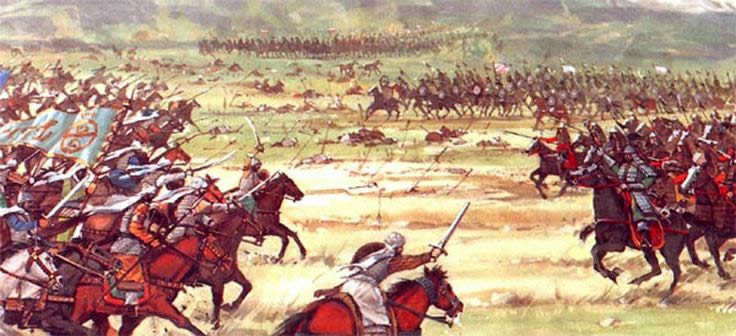
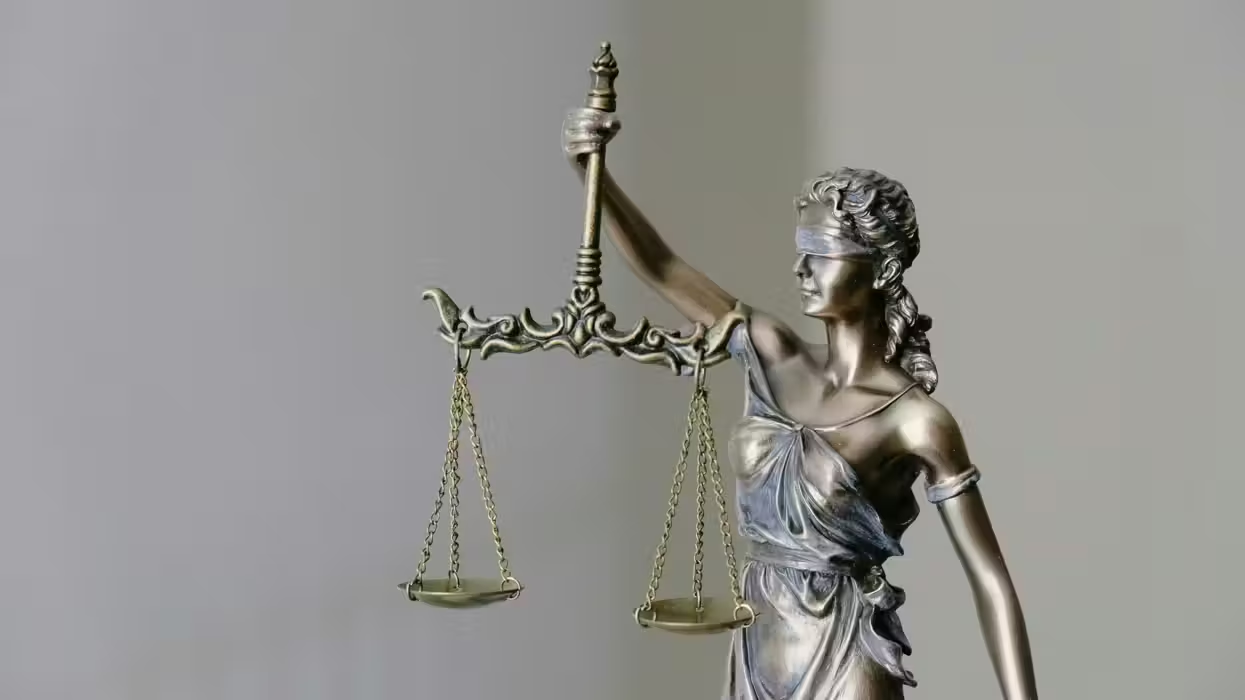
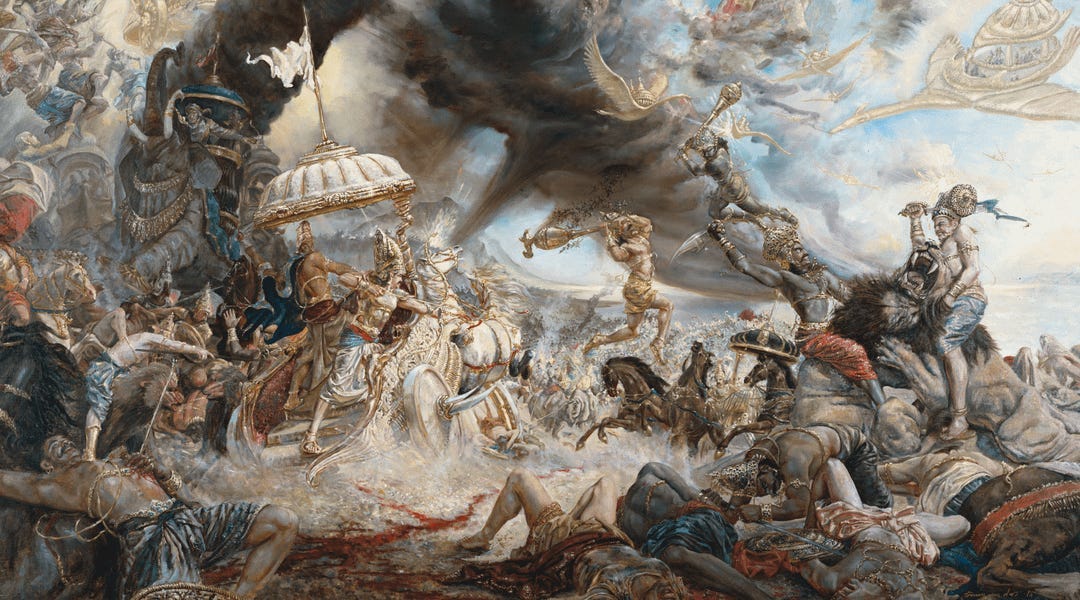
Consider what war demands. It asks that men be trained not only to kill, but to accept killing as part of the order of things. It asks that the destruction of homes be counted as strategy, that the death of the innocent be called collateral, that suffering be measured and weighed as though it were a matter of calculation. In such a world, language itself becomes an accomplice. Words no longer reveal truth. They conceal it. There are those who will answer that war is governed by rules, that there are limits which even conflict must not cross. Yet to place limits upon destruction is not to preserve what destruction denies. It is to admit that what is being done cannot be justified in full, and so must be restrained in part. But a restrained injustice is not justice. It is only a quieter form of the same thing.
One might say that war is undertaken to protect what is good, that without it greater evils would prevail. This may be so in certain moments, for the world is not free of danger. Yet even here, the act carries within it a burden that cannot be set aside. To defend what is right by means that contradict it is to enter into a tension that cannot be resolved by victory. The harm done does not vanish when the cause is declared just.
There is also the matter of the soul, though men speak of it less now than they once did. A society that prepares itself for war must shape its people accordingly. It must teach them to see danger where there may be none, to accept authority without question, to place obedience above reflection. Over time, this habit does not remain confined to the battlefield. It returns with them. It settles into their institutions. It alters what they consider acceptable.
If human rights are to mean anything, they must stand precisely where war would set them aside. They must not bend to circumstance, nor retreat in the face of necessity. For if they do, they cease to be rights and become privileges, granted when convenient and withdrawn when costly. War reveals this truth with great clarity. It shows how quickly the language of dignity can be replaced by the language of force, how easily the universal becomes particular, how swiftly the human being becomes a means to an end. It does not create this tendency, but it brings it into the open.
Therefore the case against war is not merely a case against violence. It is a case against the condition in which the human being is no longer seen as an end in himself. Where this condition takes hold, rights cannot endure. They may be spoken of, written into law, even invoked in defense of action, but they no longer guide what is done.
If one seeks a world in which human rights are more than words, one must look with suspicion upon any practice that requires their suspension. War is such a practice. It may be explained, it may be justified, it may even be unavoidable at times. But it cannot be reconciled with the claim that every human life stands beyond the reach of harm. And it is in this failure of reconciliation that its deepest contradiction lies.
Those who have reflected most deeply on such matters have not spoken with one voice, yet their disagreements illuminate the same difficulty, including:
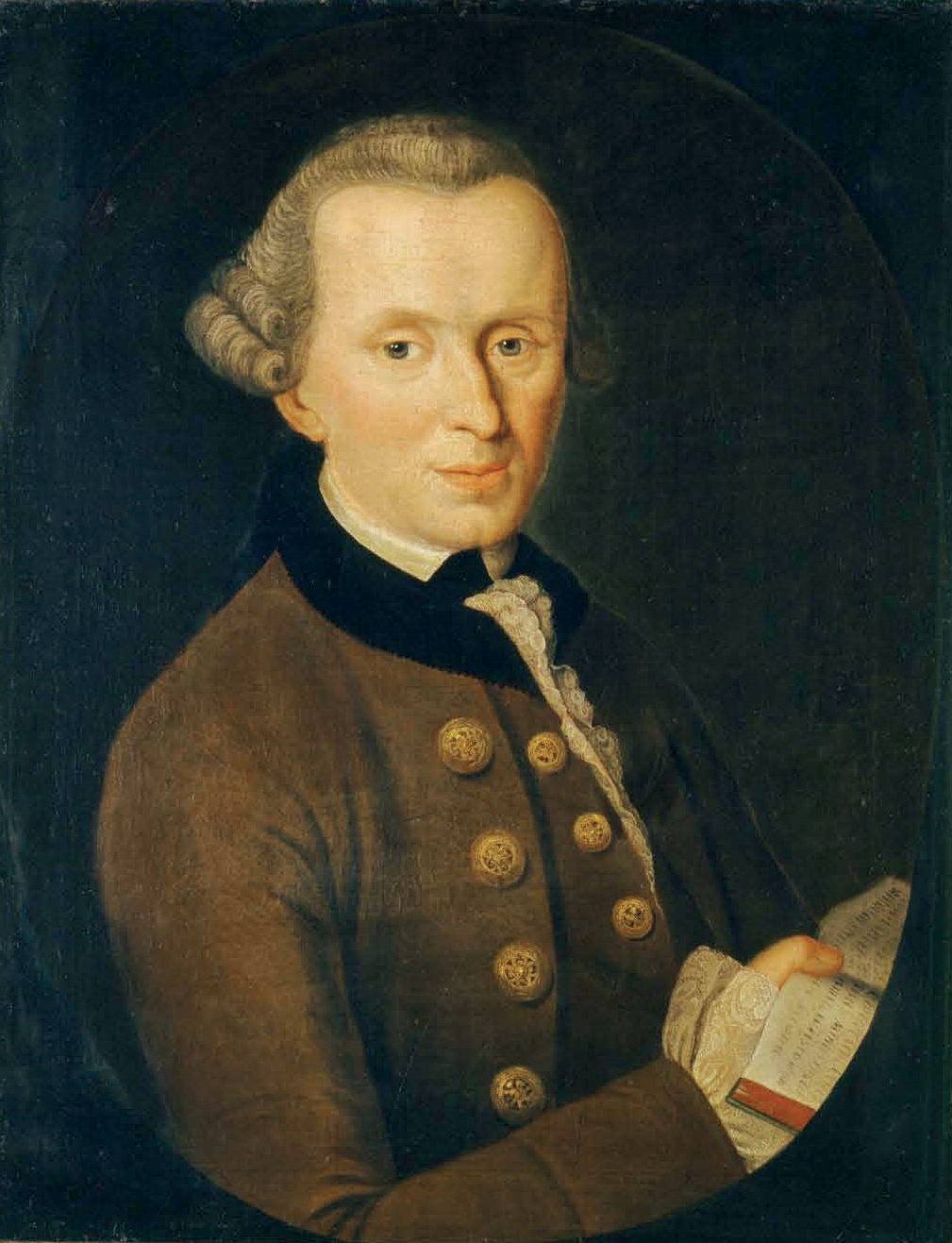
Immanuel Kant would say that no human being may be treated merely as a means, and in this he would stand firmly against the logic of war, for war makes instruments of men in the service of ends they do not fully command, and thus it cannot be squared with the dignity that reason demands.
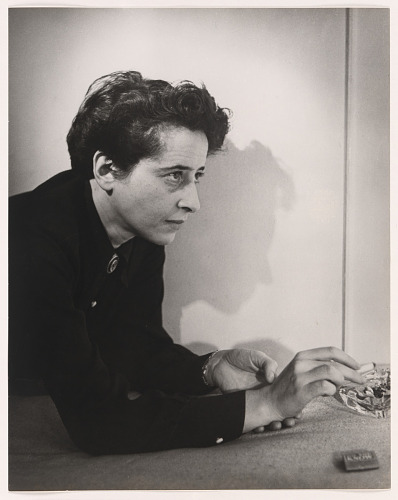
Hannah Arendt would not deny that violence appears in human affairs, yet she would remind us that where violence governs, true power has already failed, and so she would see in war not the strength of political life, but its unraveling.
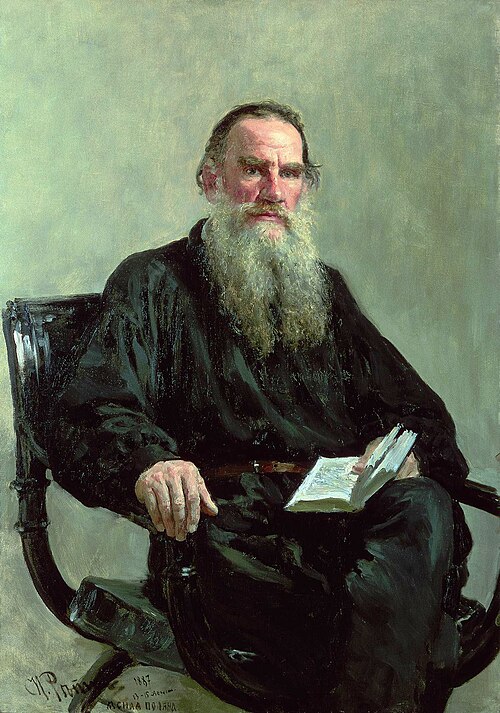
Leo Tolstoy would go further still, refusing every justification, and insisting that no cause, however noble it may appear, can cleanse the act of killing, for to obey such commands is to participate in a moral error that no authority can redeem.
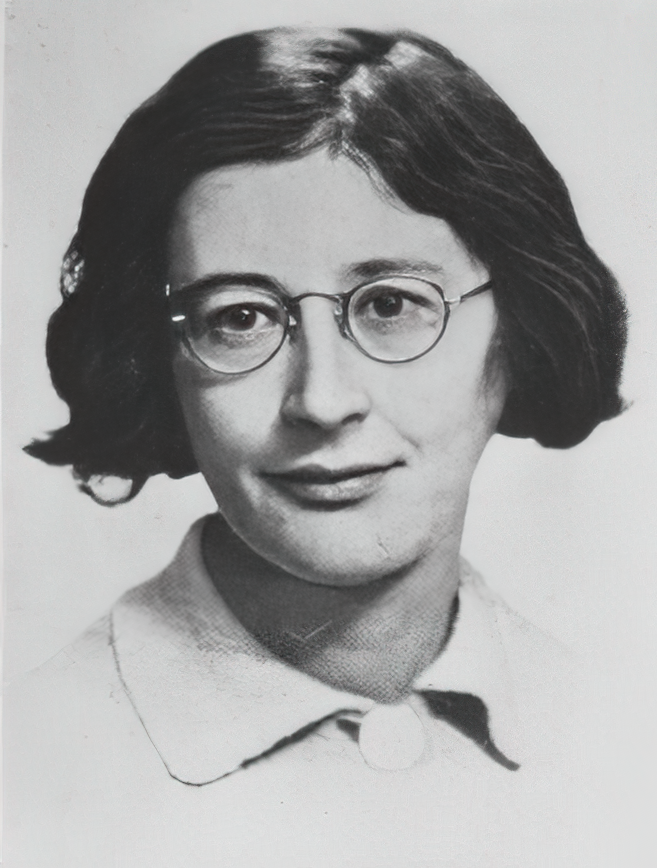
Simone Weil would speak in quieter and more severe terms, observing that force turns the human being into a thing, and that war is the highest expression of this transformation, where the soul is reduced before the body is destroyed.
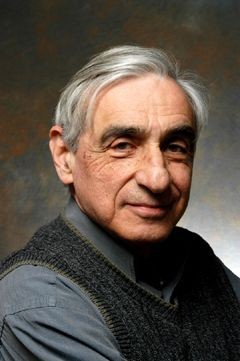
Yet there are others who would hesitate before such conclusions. Michael Walzer would accept that war may at times be necessary, though he would not call it just without remainder, for even in its most restrained form it leaves behind a trace of wrong that cannot be erased.
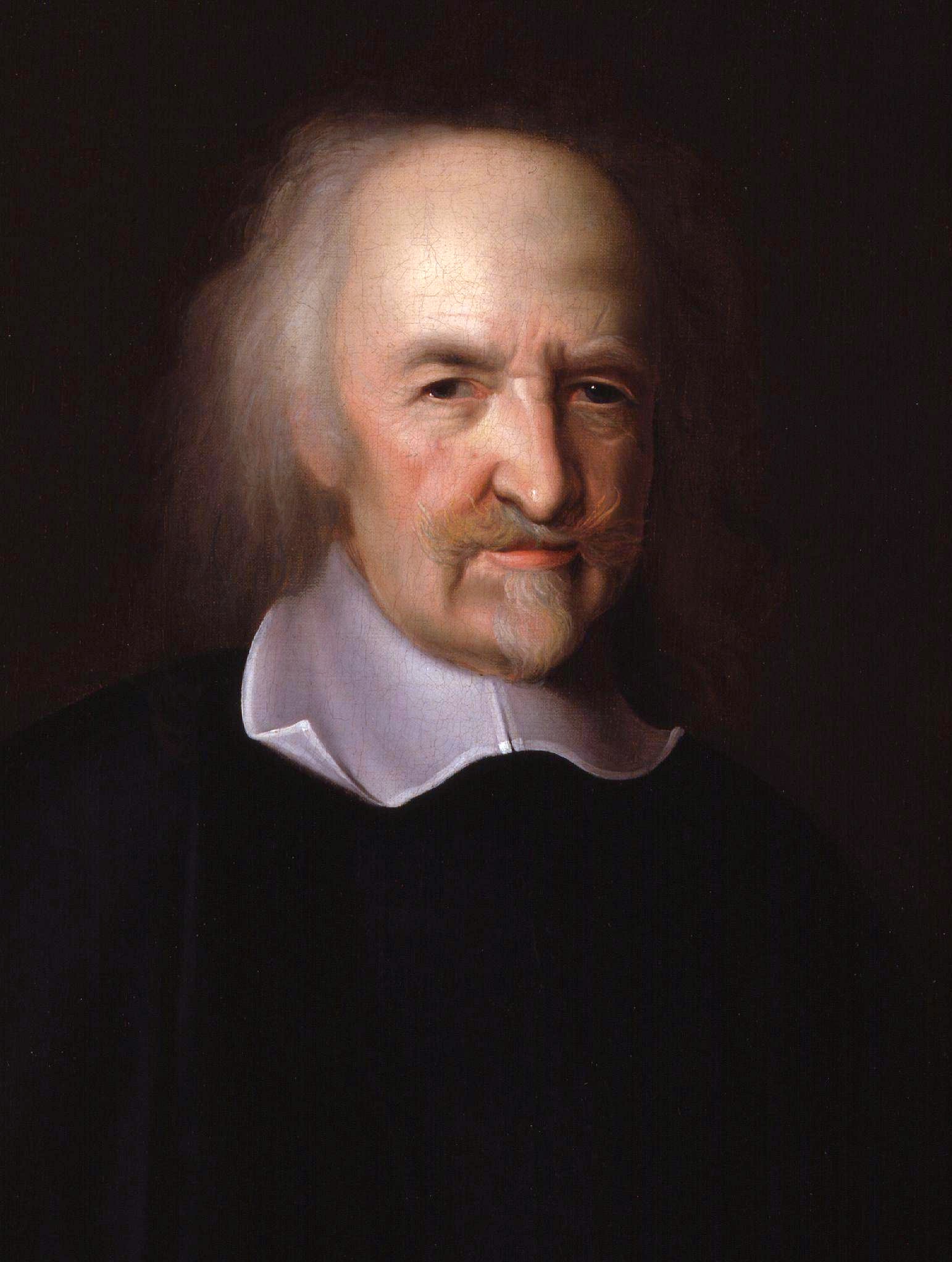
And Thomas Hobbes would look upon these reflections with suspicion, holding that without the threat of force men would fall into a condition of disorder, and that war, or the readiness for it, is bound to the preservation of peace itself.
Thus the matter remains unsettled. Some reject war as a violation that cannot be justified, others accept it as a tragic necessity, and still others see in it a condition that cannot be escaped. Yet all, in their different ways, reveal the same truth, that war stands in uneasy relation to the dignity of man, and that no argument has yet succeeded in fully reconciling the two.
References
Arendt, Hannah. On Violence. New York: Harcourt, Brace & World, 1970.
Arendt, Hannah. The Human Condition. Chicago: University of Chicago Press, 1958.
Kant, Immanuel. Perpetual Peace: A Philosophical Sketch. Translated by H. B. Nisbet. Cambridge: Cambridge University Press, 2006.
Kant, Immanuel. Groundwork of the Metaphysics of Morals. Translated by Mary Gregor. Cambridge: Cambridge University Press, 1998.
Tolstoy, Leo. The Kingdom of God Is Within You. Translated by Constance Garnett. New York: Cassell, 1894.
Tolstoy, Leo. “Letter to a Hindu.” 1908.
Weil, Simone. “The Iliad, or the Poem of Force.” In Simone Weil: An Anthology, edited by Sian Miles. New York: Grove Press, 2005.
Weil, Simone. Gravity and Grace. Translated by Emma Craufurd. London: Routledge, 2002.
Walzer, Michael. Just and Unjust Wars: A Moral Argument with Historical Illustrations. 5th ed. New York: Basic Books, 2015.
Hobbes, Thomas. Leviathan. Edited by Richard Tuck. Cambridge: Cambridge University Press, 1996.
United Nations. Universal Declaration of Human Rights. 1948.
International Committee of the Red Cross. Geneva Conventions of 1949 and Additional Protocols.