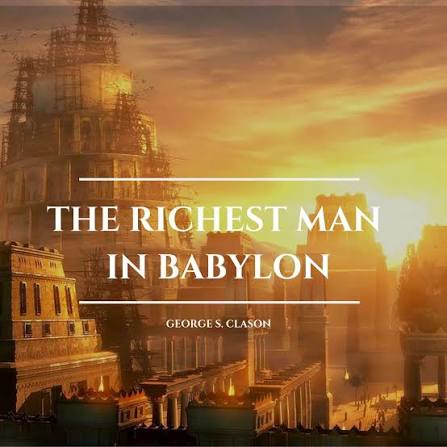
The Richest Man in Babylon
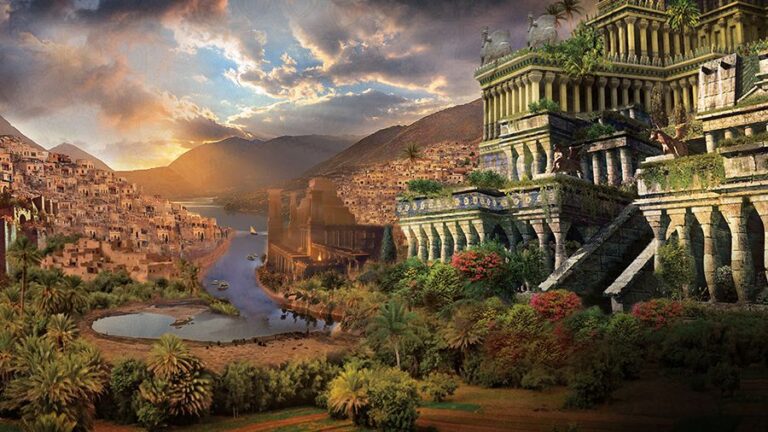
One of the most enduring meditations on wealth was set not in a modern city of glass and steel, but in Babylon, a city of dust and rivers, long returned to the earth. George S. Clason could have written a manual. Instead, he wrote something closer to a fable. And in doing so, he stumbled into a deeper truth where our relationship with money is not really about money at all. It is about how we understand ourselves.
The Weight of Desire
At the heart of The Richest Man in Babylon is a tension as old as human consciousness. The tension between what we want and what we need, between longing and contentment, between the life we imagine and the life we are willing to build.
Arkad, the book’s wisest figure, does not speak the language of ledgers. He speaks the language of the soul. When he says that a man must “keep a part of all he earns,” he is not offering accounting advice. He is making a philosophical claim that a person who consumes everything they produce has, in a quiet but devastating way, erased themselves from their own life. They have become a vessel for the desires of others, be it merchants, landlords, habits, and left no room for their own becoming.
This is where I realized that the book is not a lesson about savings or how to be rich solely. It is a lesson about selfhood. The kind of self that does not become slave to money but understands its energy and thus never aches to show-off nor flaunt.
Wisdom and Meaning
There is a reason Clason chose parables over prescriptions. Philosophy has always known what instruction manuals forget, which is that human beings do not change through information alone. We change through meaning. We change when a story opens something in us that facts cannot reach.
The merchants and slaves of Babylon are not characters in a history. They are mirrors reflecting each and everyone of us. In their anxieties about debt, in their hunger for a better life, in their tendency to trust the wrong people with what little they have, we recognize something familiar in our soul. The ancient world, it turns out, was not so different from our own. And perhaps that is the most philosophical insight the book offers. That the human condition is stubbornly consistent across centuries.
Wealth as a Form of Dignity
What moves me most about the book, on reflection, is its quiet insistence that financial awareness is not a materialistic pursuit but a dignified one. To be crushed by debt is not merely an economic state. It is an existential one. It narrows the imagination and shortens the horizon. It makes the future feel like a threat rather than a possibility.
Clason’s Babylon suggests that when a person begins to take their financial life seriously, they are doing something that goes beyond numbers. They are asserting that their life matters enough to be tended to. That their future self is worth caring for. That they are not simply a creature of the present moment, but a being with a story that extends forward in time.
What the Dust of Babylon Leaves Behind
Babylon is gone. Its walls have crumbled an its kings are forgotten. And yet the questions its people carried, How do I live well? How do I provide for those I love? How do I build something that outlasts my fears? are the same questions we carry today.
The Richest Man in Babylon endures not because it tells us what to do with money, but because it reminds us of what we are doing with our lives. And in that reminder, quiet and ancient as it is, there is something that feels less like financial advice and more like wisdom.